Make One Living Room Work for Quiet Time, Play and Company
Use a few flexible zones to share a living room without filling it with furniture for every activity.

Shopping note: The retailer links in this article are ordinary links. We are not currently using affiliate tracking. If a link earns us a commission in the future, we will label it. Our disclosure.
Start with the real day
One living room may be the place for a morning cup of coffee, an afternoon game, a work call and an evening with friends. It does not need four permanent layouts to support those uses. A few flexible zones can help activities coexist while keeping the room recognizable as a shared space. Begin with the uses that happen often, not the idealized room you imagine for occasional guests.
Watch the room over several days. Notice where people sit, where natural light falls and which route they take through it. Furniture that interrupts the main path will feel inconvenient regardless of how well it frames a photograph. Keep access to doors and essential features in mind. When child-related furniture or storage is involved, follow applicable product instructions rather than treating styling advice as a safety assessment.
Give each frequent activity a home
A reading area may be one comfortable seat with appropriate light and a place for a book. A play area can be a patch of open floor near a container that is easy to use. A conversation area depends on seating that allows people to see one another without shouting across furniture. These zones can overlap; they do not require separate rugs and tables for every purpose.
Place storage near the activity it supports. Games stored across the house are less likely to return after use. At the same time, avoid putting every household category into the living room just because a cabinet has space. Limit what belongs there and leave some room for items to be returned. A full shelf is harder to maintain than one with a little breathing space.
Choose movable pieces thoughtfully
A small side table can travel between a reading chair and a sofa, while a lightweight basket can hold the current activity. Movable does not mean unstable or suitable for every household. Check the design and use instructions for the pieces you choose. Avoid adding several small tables if they create a maze. Flexibility is helpful only when the room remains comfortable to move through.
Test a new arrangement with existing furniture before shopping. Swap a chair position, clear a shelf and see whether the activities become easier. If a seating area feels disconnected, adjust its orientation before assuming a new sofa is necessary. Take photographs from ordinary standing positions to notice cluttered routes, but judge the room by using it. A layout can look balanced and still feel awkward in practice.
Spend on the activity that lacks support
If reading regularly happens in a dim corner, consider suitable lighting. If games cover the floor because there is no place to return them, look at accessible storage. A room does not improve simply because every piece has the same finish. Compare dimensions, care requirements and how the new purchase will work with what is already there.
Leave a place for the room to reset. That may be a basket for the current project or a shelf for games, rather than a concealed home for everything. Agree on what gets put away before guests or before the evening routine. The goal is a shared room that can change use without a major rearrangement. It should support family life while keeping enough open space for the next thing to happen.
A short checklist to keep
Keep these decisions somewhere useful rather than turning them into another elaborate system. For this project, the most important comparison is between what already works and what a purchase would actually change. Can serve a reading seat or conversation area. Another table can crowd an already busy route. That tradeoff is worth weighing before choosing the compact side table simply because it appears in an attractive room or outfit.
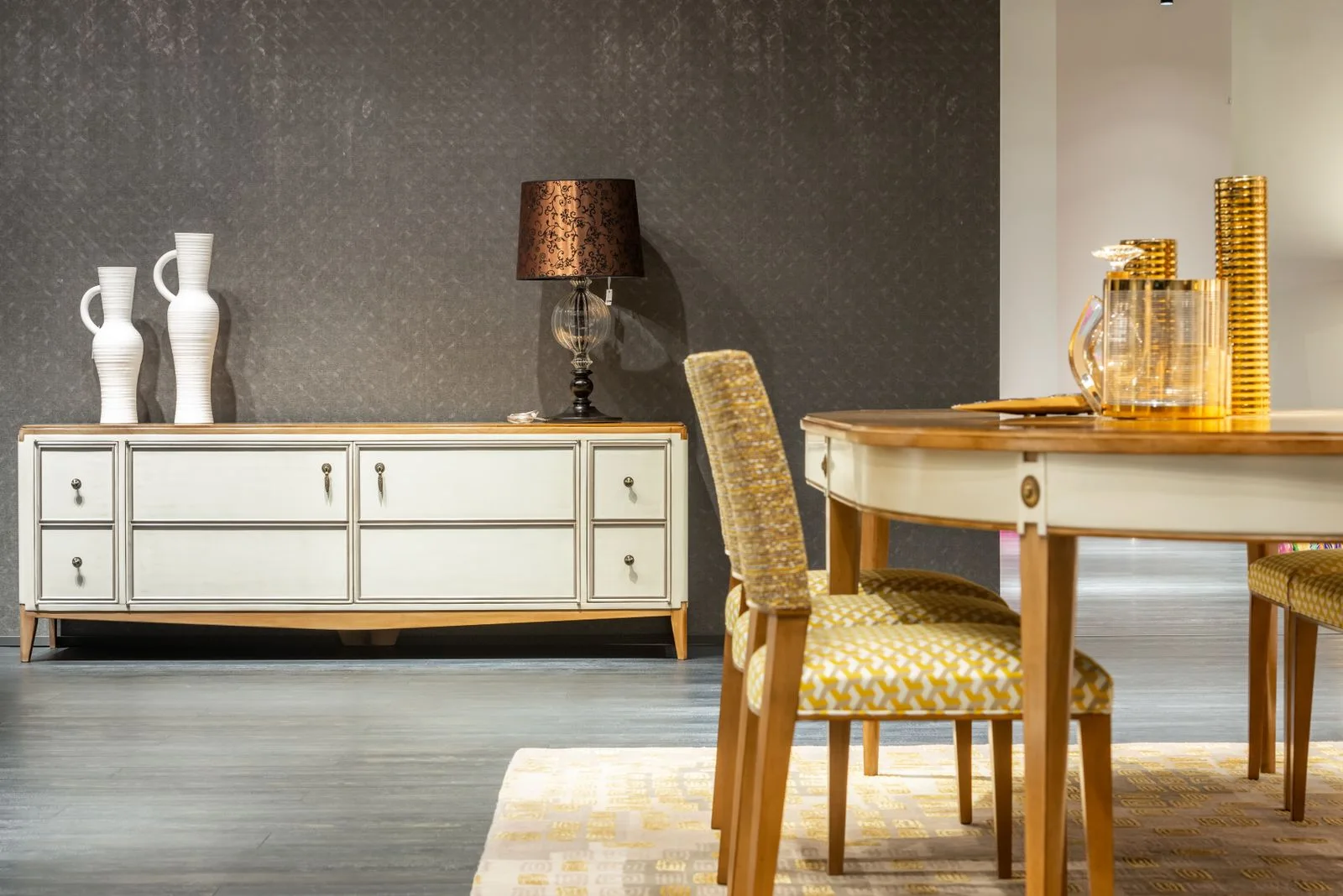
An alternative is to focus on the low storage cabinet. Groups the activities used in the room. Dimensions and anchoring requirements need checking. Compare the two jobs instead of assuming both purchases are necessary. Start with the option that addresses the repeated inconvenience you have identified. When neither problem is happening in your household, keep using what you have. A buying guide should make it easier to decide against an unnecessary purchase as well as help you choose a useful one.
- Identify the room’s most frequent uses.
- Keep the main walking route clear.
- Place storage beside the activity.
- Test furniture positions before buying.
Shop with a purpose
Options to consider
These are research starting points, not hands-on test results. Compare current specifications, dimensions, care instructions, return terms, and availability with the retailer before buying.
Compact side table
Can serve a reading seat or conversation area.
The tradeoff: Another table can crowd an already busy route.
Explore at the retailer ↗Low storage cabinet
Groups the activities used in the room.
The tradeoff: Dimensions and anchoring requirements need checking.
Explore at the retailer ↗A few common questions
Do I need to buy everything mentioned?
No. Begin with what you own, then choose only the item that solves a specific problem. The compact side table and low storage cabinet have different jobs; neither is a requirement for following the advice.
What should I compare before ordering?
Check dimensions or garment measurements where relevant, current care and use instructions, delivery charges and return conditions. In particular, remember this tradeoff: Another table can crowd an already busy route. Use the retailer’s current information rather than assuming a photograph answers those questions.